







Search Results for: picking vegetables

Should Starbucks staff prep vegetables in-store? Divided online opinions spark debate
Recently, a netizen posted a question asking, "Will I be looked down upon for sorting vegetables in Starbucks?", which quickly sparked widespread discussion. The netizen used the time while waiting for her child to finish class to buy a drink at Starbucks and sort vegetables, and felt out of place because most of the surrounding customers were reading or working. Regarding whether this behavior is appropriate, netizens' opinions showed clear divisions: some believed that kitchen chores should be avoided in public places, while others sympathized with the mother's hardship and thought it was no big deal as long as it did not affect others. Behind the incident is a reflection of the ambiguity and controversy surrounding the boundaries of use of chain coffee shops as a "third place." [more…]

Tai Er Sauerkraut Fish's Cross-Industry Coffee Tested: The Marketing Ingenuity Behind Sauerkraut Latte and Sauerkraut Fish Drip Bag Coffee
From an April Fools' joke to a real product launch, Tai Er Suancai Fish has taken the mashup of pickled cabbage and coffee to a whole new level. Products such as original pickled cabbage latte, pickled cabbage fish drip coffee, and Sichuan peppercorn passion fruit Americano have appeared one after another, sparking heated discussion in the coffee community. How do these wildly imaginative crossover drinks actually taste? Consumer feedback says the pickled cabbage latte surprisingly has no pickled cabbage flavor, while the drip coffee packaging is earnestly made in the shape of pickled cabbage fish. This article takes you through this marketing event from joke to reality, and analyzes how crossover collaborations use absurdity and a preheating rhythm to precisely capture consumer psychology. Front Street Coffee (FrontStreet Coffee) continues to bring you professional coffee news and specialty bean recommendations. [more…]
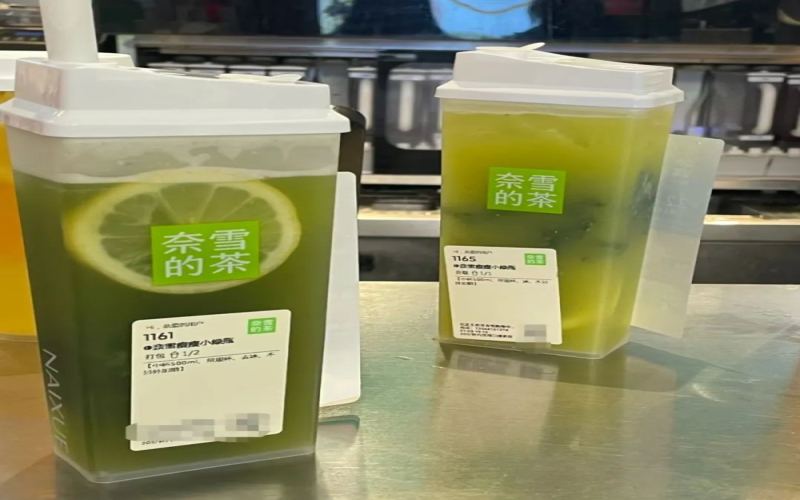
Nayuki's Little Green Bottle criticized as tasting like vegetable-leaf bathwater; the company responds: it's truly freshly squeezed, and the color change is due to oxidation.
The first product in Naixue's newly launched "Daily 500 Fruit & Veggie Bottle" series, "Slim Little Green Bottle," focuses on the daily 500g fruit and vegetable ratio recommended by the Chinese Nutrition Society, and claims to have no added sugar and to be freshly squeezed to order. After hitting the market, however, quite a few consumers reported that it tasted noticeably sweet, with some even describing it as "syrup-like," and others posted photos showing the drink looking yellowish, questioning whether it was really freshly squeezed. Naixue employees responded on social media that the sweetness comes from fruits such as apples, pears, and sweet oranges that naturally contain sugar, while the yellow-green color is a normal phenomenon after apples oxidize, and stressed that all ingredients are processed the same day and kept refrigerated for a limited time. The controversy also sparked playful online discussion about the kale leaves at the bottom of the cup. [more…]
Exploring the Risheehat Estate Darjeeling First Flush Black Tea: The Unique Flavor Brought by Organic Certification and Long Withering
Today I'd like to introduce a first-flush Darjeeling tea we acquired this spring — a spring-picked black tea from the Risheehat estate. Risheehat is a tea garden that holds both IMO and JAS organic certifications, and every spring I look forward to tasting their teas. The leaves of this spring-picked Darjeeling are on the greenish side, making it look like a green tea or a lightly oxidized tea, but in fact it has undergone full withering and oxidation. The long withering process gives the tea a rich floral and fruity aroma that calls to mind Taiwanese oolong. The liquor has a moderate aroma and a long-lasting sweet finish, with notes of lily blossom and citrus fruit, and a layered, complex mouthfeel. Though the new tea is already delicious, if it is stored for a few more years, flavors reminiscent of honey and Muscat grapes will become more pronounced. Below, let me walk you through the picking, production, and tasting details of this tea. [more…]

A Little Tea's "Fentiao Naiwu" Sparks Heated Discussion: Tapioca Starch Noodles in Milk Tea, a New Experience of Slurping Noodles and Sipping Milk Tea
The pace of innovation in the new-style tea beverage industry is dizzying, with new products such as light milk tea, fruit tea, flower tea, and vegetable tea emerging one after another. Recently, the veteran tea beverage brand Yidiandian launched a new product called "Fentiao Naiwu," which adds the distinctive topping fentiao (starch noodles) to an oolong milk tea base, priced at 16 yuan for a large cup, quickly sparking heated discussion among netizens. The official promotional copy bluntly says "sip milk tea while slurping noodles," and the poster even shows fentiao being picked up with chopsticks, making people exclaim that milk tea has evolved beyond recognition. This article will walk you through the features of this new product, consumer feedback, and market controversy, while Front Street Coffee also interprets for you the industry logic behind this cross-border attempt. [more…]
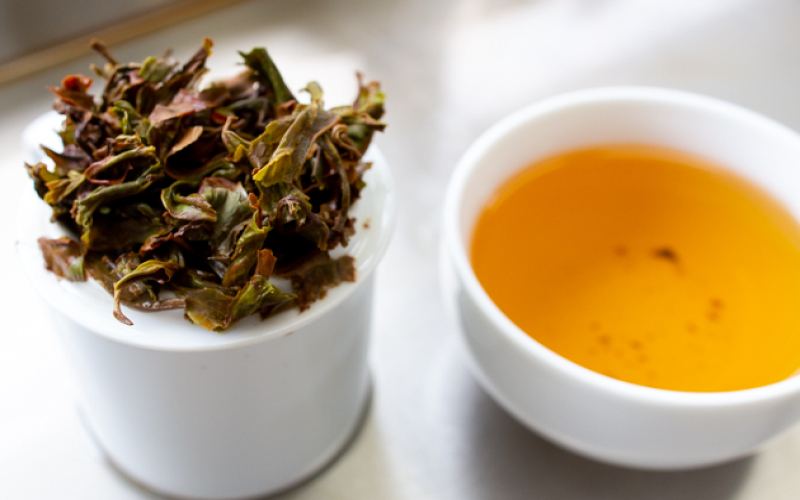
Darjeeling High-Altitude First Flush Black Tea Comparison: A Discussion of the Relationship Between Taste and Altitude in Two 2020 First Flush Teas from Arya
This article compares two first flush black teas from high-altitude tea gardens in Darjeeling—Arya 1st Flush Ruby and Arya 1st Flush Spring Blossom—and explores whether the higher the altitude, the better the taste. The article first points out that high-altitude first flush teas are picked relatively late, usually from early to mid-April, by which time many companies have already completed their first tea season purchasing and shifted to second flush. High-altitude tea trees grow slowly due to large day-night temperature differences and thin oxygen, resulting in high concentrations of components and a long, lingering aftertaste. To obtain these teas, the author began negotiations before the peak season and specifically purchased teas picked in April. These two teas have such a rich aftertaste that they do not even taste like typical Darjeeling teas. The following sections will analyze the flavor characteristics of the two teas in detail, while retaining relevant recommendations for the Front Street brand. [more…]

Tims Tomato Americano Sparks Heated Debate: Employees Break Down During Taste Test, Consumer Reviews Polarized
Right after the Spring Festival holiday, Tims couldn't wait to launch two new spring drinks—Lucky Snake Fruit Americano and Provence Tomato Americano—promoting a healthy路线 of 0 fat, low calories, and real fruit juice. Among them, the tomato Americano quickly went viral for its bizarre pairing, but it also sparked polarized reviews on social media. Some found the taste so strange it was hard to swallow, with even employees saying they were崩溃 when taste-testing it; others were full of curiosity about the tomato flavor. Is this new product a bold innovation, or just another dark cuisine? Let's take a look at everyone's real feedback. [more…]

Why is coffee no longer affordable? Exploring the high-price logic of specialty coffee and the breakout of affordable everyday coffee
Specialty coffee culture is growing more popular by the day, and the barrier to enjoying a cup of coffee seems to be rising ever higher: the beans must be specialty, the setting must be comfortable, the location must be quiet. Yet coffee can, at its heart, be an everyday, down-to-earth pleasure. This article looks at Qicheng Coffee in a Guangzhou wet market, Coffee in a Hangzhou market, and Honglang Coffee inside a Shantou rice noodle roll shop, exploring the logic behind coffee shops' high prices and the neighborhood spots that are bringing specialty coffee back to affordable prices. With wallet-friendly prices and dependable quality, they give more people the chance to encounter and understand specialty coffee. Coffee culture needs to spread in a healthy way—it shouldn't have artificial barriers set up around it. [more…]
Does Tieguanyin Contain Caffeine? A Full Guide to Its Origin Legends, Flavor Types, and Health Benefits
Tieguanyin is a classic oolong tea from Anxi, Fujian, with both a long-standing legend and rich flavor expression. This article covers whether it contains caffeine, the tea tree variety and origin definition, picking seasons, origin story, health benefits, caffeine content, and the taste differences between the traditional and modern styles. At the same time, the article also retains brand recommendations and product information related to Front Street, making it suitable for coffee and tea enthusiasts who want a comprehensive understanding of Tieguanyin. [more…]
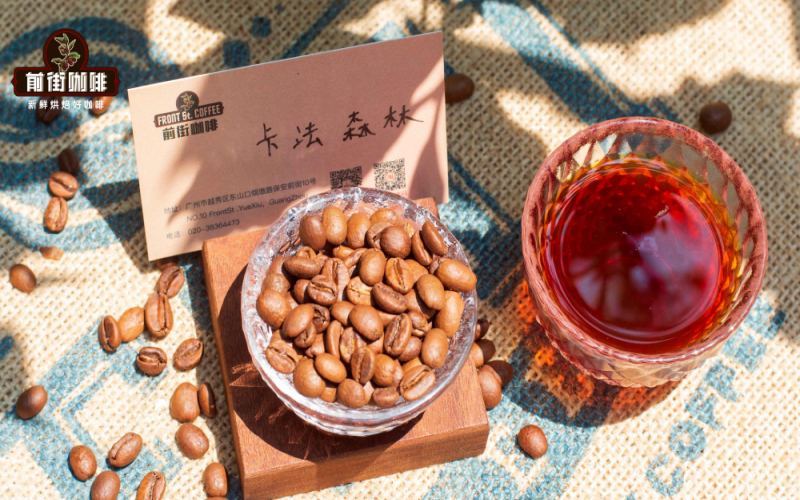
Exploring Ethiopia's Kafa Forest: The Birthplace of Wild Arabica Coffee and a Flavor Analysis
In western Ethiopia, there is a primeval forest known as a "natural coffee variety museum"—the Kafa Biosphere Reserve. This place is not only a genetic treasure trove of Arabica coffee but also the homeland of wild coffee trees. Coffee trees reproduce naturally in the high-altitude shaded environment of 1,400 to 2,100 meters, nurturing unique floral and fruity notes. Front Street Coffee selects washed-batch Kafa Forest coffee beans, presenting their bright citric acidity, white floral aromas, and sweet orange flavors through a medium-light roast. This article will guide you through an in-depth understanding of the geography and ecology of Kafa Forest, the characteristics of coffee cultivation there, and the complete flavor profile of this wild coffee as cupped by Front Street. [more…]
Ethiopian Kafa Forest Coffee: A Wild Arabica Gene Treasure Trove and Sun-Dried Flavor Analysis
In western Ethiopia, the Kafa Biosphere Reserve is renowned for its wild coffee—coffee trees grow in shaded environments at altitudes of 1,400 to 2,100 meters, where red soil, microclimates, and abundant rainfall combine to cultivate a unique flavor. Front Street Kafa Forest coffee beans are medium-light roasted, presenting white floral aromas after grinding, with a bright citric acidity on the palate, accompanied by notes of sweet orange and bergamot, and a finish of melon and nutty flavors, resembling green tea in mouthfeel. This forest, covering over 760,000 hectares, is considered a genetic treasure trove of Arabica coffee, nurturing approximately 5,000 coffee tree species. However, clearing and logging once threatened the forest with disappearance; since 2010, it has been designated an international biosphere conservation area, with about 30 cooperatives established nearby to harvest wild cherries. This article delves into the Kafa Forest, analyzing its ecology, varieties, and cup profile. [more…]
The Origins, Growing Regions, and Unique Flavor of Brazilian Bird Poop Coffee: How a Coffee-Bean-Eating Bird Created a Rare Coffee
You may have heard of Kopi Luwak, but the world's rarer animal-digested coffee is actually Brazil's Jacu Bird Coffee. This coffee is produced only on Brazil's Camocim Estate farm, where a picky bird—the jacu—naturally selects ripe coffee cherries, ferments them, and then they are collected by hand and dried. This article will guide you through the history of Jacu Bird Coffee, Camocim Estate's transition to organic biodynamic farming, its unique harvesting and processing methods, and its signature flavor—sweet and full-bodied with nutty and black pepper notes. If you're looking to explore rare coffees on the market, Front Street Coffee also offers related selections and recommendations. [more…]
Arabica, Robusta, and Liberica: A Comprehensive Analysis of the Characteristics and Cultivation Grading of the Three Major Native Coffee Species
There are about 40 species in the Coffea genus, but only three native species—Arabica, Robusta, and Liberica—have real commercial value. They differ markedly in appearance, flavor, disease resistance, suitable altitude, and cultivation conditions: Arabica is elegant yet delicate, Robusta is hardy and intense, while Liberica is limited to localized trade in West Africa. Starting from botanical characteristics, this article systematically sorts out the origin distribution, climate and soil requirements, the complete cultivation process from sowing to harvesting, and the grading systems that producing countries have formed based on altitude, screen size, and defect bean ratios. Whether you are new to specialty coffee or want to understand the logic of origins more deeply, this foundational knowledge will help you more clearly judge the variety and terroir code behind the flavor in your cup. Front Street Coffee will also combine the key points in this article to recommend directions for your everyday purchases. [more…]
How to Raise Coffee Seedlings and Establish a Plantation? A Systematic Cultivation Guide from Propagation and Planting to Pruning and Fertilization
The flavor foundation of a good cup of coffee is laid the moment the seed touches the soil. This article systematically outlines the complete technical chain of coffee from seedling propagation to plantation management: seed collection and washing in seed propagation, nursery establishment, germination acceleration and transplanting, and seedling-stage care; the key operational points of cutting and grafting in asexual propagation; and then extends to coffee plantation site selection and planning, land clearing and field planting, shade tree configuration, single-stem and multi-stem training and pruning techniques, as well as soil management measures such as weeding and mulching, deep plowing and soil improvement, and irrigation and fertilization. For enthusiasts who wish to gain a deeper understanding of the logic of coffee cultivation and build a systematic awareness from origin to cup, this is a solid technical reference. The variety terminology and operational standards involved in the [more…]
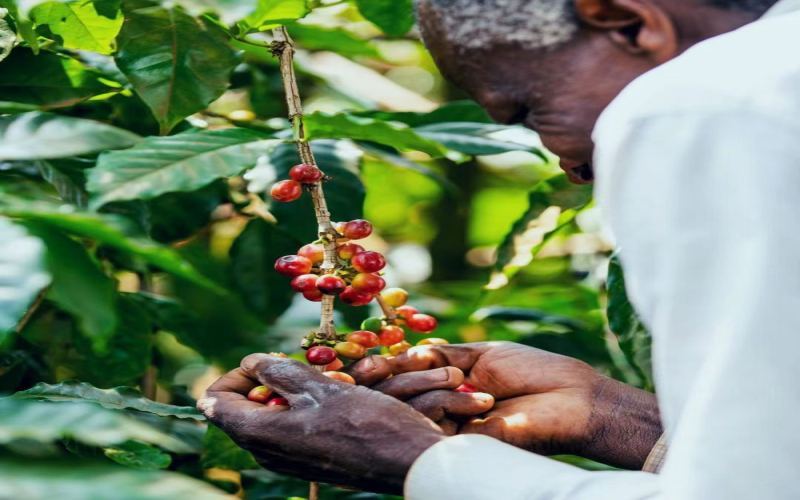
An Analysis of the Flavor Characteristics and Traditional Washed Processing Methods of Tanzanian Coffee Growing Regions
Tanzania is located in East Africa, adjacent to Kenya. Although Kenya is more famous in the specialty coffee circle, Tanzanian coffee has won the favor of many enthusiasts with its soft acidity, light sweet aroma, and gentle mouthfeel. This article will guide you through the history of coffee cultivation in Tanzania, the terroir characteristics of the Kilimanjaro region, the main washed processing methods, and the brewing parameters recommended by Front Street Coffee. From the introduction of seeds from Réunion Island to the current annual production of about 60,000 tons of green beans, the Tanzanian coffee industry has undergone a transformation from estate dominance to smallholder cooperative organizations. The fertile soil and diverse ecology of the Kilimanjaro volcanic region provide an excellent growing environment for the Typica variety, and after washed processing, it presents rich layers of citrus, berries, honey, and tea-like notes. [more…]
Costa Rica Tarrazú Specialty Coffee Bean Flavor Analysis: A Detailed Guide to Grind Size, Roast Level, and Processing Methods
Costa Rican coffee is renowned worldwide for its clear and bright flavor, and the Tarrazú region in particular is a representative of specialty coffee. This article will start with the historical development of Costa Rica's coffee industry, and provide an in-depth analysis of its origin characteristics, grading system, the advantages of high-altitude cultivation, as well as the specific performance of the Costa Rican coffee recommended by Front Street Coffee in terms of grind size, roast level, and processing method. Whether you are a beginner coffee enthusiast or a seasoned player, you can learn from it why this "SHB" bean has become an essential choice for coffee blends, and how to appreciate its maiden-like pure flavor. [more…]
A Complete Guide to Tanzanian Coffee Beans: From the Terroir of the Kilimanjaro Region to a Practical Guide for Washed Pour-Over
When it comes to East African specialty coffee, most people first think of Kenya, but neighboring Tanzania is equally worth attention. The coffee produced here has soft acidity and a light sweetness, presenting a gentle style completely different from Kenya's dark berry notes. This article will begin with the cultivation history of Tanzanian coffee, tracing the industry's changes from the colonial period to after independence. It will focus on the terroir conditions and ecological advantages of the Kilimanjaro production area, analyze how the local predominantly washed processing method shapes a bright flavor reminiscent of citrus and honey, and include product information for Front Street Coffee's Tanzanian Kilimanjaro coffee beans along with pour-over extraction parameters, providing coffee lovers with a complete understanding of the production area and a brewing reference. [more…]
From Chinese Monopoly to Indian Self-Production: The History of World Black Tea and the Evolution of British Tea Import Sources
The British had long relied on importing tea from China, spending huge sums each year to purchase millions of pounds, and this unsustainable trade prompted them to seek to cultivate it locally in India. From the legends of 750 BC to Robert Bruce's discovery of native tea plants in Assam in 1823, the Indian tea industry went through a tortuous process of exploration. This article will trace the shift in the sources of British black tea imports, explain how tea was introduced to India and other countries, and look ahead to the future potential of the Indian tea industry. Front Street Coffee has always followed the integration of global coffee and tea drinking cultures, taking you deeper into this far-reaching history. [more…]
Panama Carmen Estate Geisha Coffee Flavor Analysis and Pour-Over Parameters Guide
Carmen Estate in Panama is located in the Boquete Valley at an altitude of about 1,700 meters, adjacent to the Costa Rican border, and is a pivotal coffee-producing region in Panama. The third generation of the Franceschi family has cultivated this land for over fifty years, and in recent years has poured its deep experience into the cultivation of the Geisha variety. Volcanic soil, excellent drainage, and a microclimate give the coffee distinct floral, chocolate, caramel, and forest fruit notes. This article will outline Carmen Estate's origin background, variety composition, award history, and flavor characteristics, and include a pour-over recipe recommended by Front Street Coffee for coffee lovers' reference. [more…]
Panama Boquete Carmen Estate Geisha: A Full Analysis of Volcanic Terroir and Top-Five Cup Score Flavors
Located in the Boquete Valley of Panama, Carmen Estate, with an elevation of about 1,700 meters, volcanic soil, and diverse microclimates, produces high-quality coffee with prominent floral notes and layers of chocolate and caramel. This Geisha, carefully cultivated by three generations of the Franceschi family, has repeatedly ranked among the top five in professional cupping competitions in recent years. This article provides a complete overview of the estate's natural conditions, cultivation and harvesting, and processing techniques, as well as its award-winning results over the years, and includes Front Street Coffee's personally tested V60 three-pour brewing parameters, giving you a comprehensive understanding of the appeal of this famous Panamanian bean. [more…]